

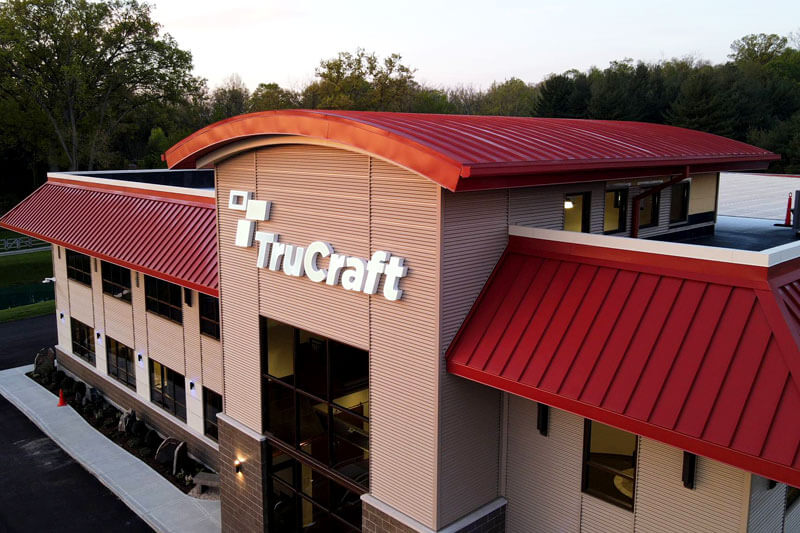
Today, it is very easy to create a slick website, pay for rating service’s and put on a fancy truck wrap
(Signage). On the surface, the appearance of a quality contractor is created. There are simple steps to take to
determine if you are hiring a good marketing company or a quality contractor. The following are easy steps you can take to ensure you are spending your money wisely.
Determine Type of Contractor
A quick search on the BBB will give you the basic information: Who the Owner is, Years in Business, Address of Business, and Ratings. There are also other internet options: Google Maps, and some of the paid services such as Consumer Reports, Home Advisor, Angie’s List, etc., but keep in mind that these are paid-for services, and they can be misleading if used as the sole determining factor. Do not assume all contractors have the same level of expertise and qualifications.
Verify Business Location
Their place of business will tell you a lot about who they are and their capabilities. It would be advisable to
visit their location, and they should have the equipment and staff necessary to perform the work they are
proposing. There are too many contractors out there that look good on the surface (Website, Truck Wrap, and Paid Marketing) but lack the expertise, means, and trained personnel to perform first-rate work. These types of contractors are risky and have no assets to prevent them from closing up shop if things go wrong.
Observation of their Investigation
With any services you look to employ, look for contractors who thoroughly examine your project and specifically ask for your needs and expectations. In most cases, there will be choices and options that you should be aware of. A good proposal should thoroughly describe the work and give options with pricing.
Ask the Right Questions
You may be quite surprised by the answers you get: What position are you in with the company? Do you receive a W2 or a 1099 tax form (1099 identifies them as a non-employee)? How many years have you been working for this company? How many years has the company been in business? Who will be performing the work, company employees or subcontractors? Who will I be dealing with once the work begins? Do you have a service department?
Choose Certified
The manufacturers of the products are very large corporations that will have “Certified Contractor Programs”; this is important, knowing that they have gone through the proper training for the installation of their product. As for a copy of their certificates.
Warranty, Warrantee, and Warranties?
Warranties can get very confusing; there are Manufacturer “Materials warranties” (typically prorated), there are Manufacturer “Replacement Warranties”, and there are Contractor Warranties. The most important one is the Manufacturer’s “Replacement Warranty”; to achieve this warranty, the contractor will need to be certified, use the Manufacturer’s products, meet the installation specifications, and authenticate the project with the Manufacturer.
Know what is in the Price
There are several factoring variables in the price of the work: selection of materials, design of application,
quality of labor, and profit. Out of the four factors, profit is usually the smallest percentage. If prices vary
dramatically between contractors, then you should review these key factors to create a balanced “apples to
apples” comparison.